Which Xplore Micro-Compounder Fits Your Application?
Published: May 21, 2026 · Reading time: 5 minutes
Introduction
Polymer R&D programs span a wide spectrum of melt-processing requirements, ranging from high-throughput formulation screening at gram-scale to the processing of high-temperature engineering thermoplastics and highly loaded compounds with demanding rheological behavior. The selection of the appropriate micro-compounding platform is therefore a critical determinant for efficient and reliable R&D studies. To address this diversity of requirements, Xplore has developed a complementary portfolio of micro-compounders built on a shared processing architecture: fully intermeshing conical twin-screw geometry, dual-mode operation (batch and continuous extrusion), real-time temperature & torque monitoring, and ability to couple with downstream shaping units (micro injection moulding, fiber spinning, film casting, or composite lines).
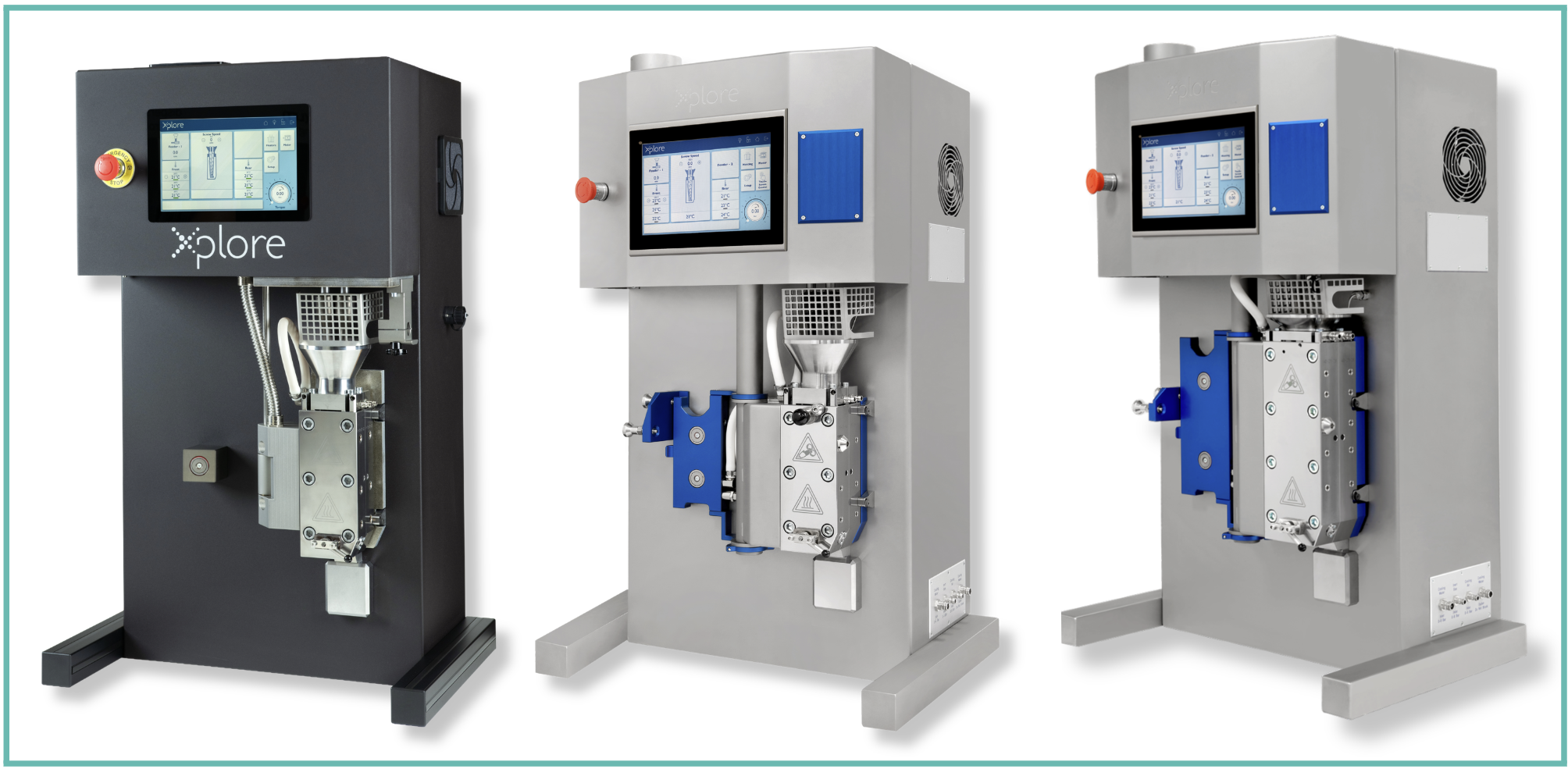
Figure 1. MC Xperience Line, MC 15 HT and MC 40
MC Xperience Line: Reliable Compounding | Cost-Effective R&D
The MC Xperience Line is designed for rapid formulation screening and material evaluation using minimal amounts of material. Available in 5 ml (can be customised up to 10 ml) and 15 ml configurations, it enables researchers to investigate multiple formulations while significantly reducing material consumption, development cost, and material waste.
Typical application areas include processing a wide range of commodity and engineering polymers such as:
- Polyolefins
- Polyesters and polyamides
- Thermoplastic elastomers
- Biopolymer systems
- Reactive extrusion and chain extension studies
- Film, filament, and fiber production
Depending on the selected model, torque ranges from 10 to 20 Nm, enabling stable processing across a wide processing window. The standard maximum operating temperature is 350°C, with an optional upgrade to 425°C for higher-temperature applications.
For continuous melting and shaping, a single automatic pellet feeder can be integrated to ensure stable material throughput. The MC Xperience Line is therefore particularly suitable for universities, research institutes, and industrial R&D laboratories seeking a flexible and cost-effective solution for general-purpose polymer development.
MC 15 HT: High-Torque | Advanced R&D
Some polymer systems require processing conditions beyond the capabilities of conventional laboratory-scale compounders. High-performance engineering polymers often combine elevated processing temperatures with high melt viscosities and demanding shear requirements. The MC 15 HT is specifically designed for these challenging applications. With a maximum operating temperature of 475°C and a maximum melt torque of 40 Nm within a compact 15 ml processing volume, the system delivers one of the highest torque-to-volume ratios available for laboratory-scale micro-compounding.
The MC 15 HT supports batch, Vari-Batch® (optional), and continuous processing modes. The Vari-Batch® concept allows users to switch between 3 ml, 7 ml, and 15 ml processing volumes depending on material availability and development stage.
Its precise screw speed control, including 0.1 rpm resolution at low screw speeds, enables accurate control of shear rate, mixing efficiency, and throughput during continuous processing. The system supports both co-rotating and counter-rotating screw configurations. Two independently controlled automatic feeders can be integrated for powder and/or pellet feeding.
Typical application areas include:
- PEEK, PPS, PEI and other high-temperature polymers [1]
- Carbon-filled and mineral-filled compounds [2]
- High-viscosity elastomeric systems [3]
- Advanced composite and specialty formulations [4,5]
The integrated cooling system enables rapid heating and cooling cycles, minimizing downtime during cleaning and formulation changes.
The MC 15 HT is therefore particularly suitable for advanced R&D involving demanding polymers and challenging processing conditions where high temperature processing, high torque, and precise process control are critical.
MC 40: High-Volume | Continuous Compounding
In applications where larger material throughput or continuous compounding is required, the MC 40 is the preferred solution. With a processing volume of 40 ml and a maximum torque of 40 Nm, the MC 40 enables stable continuous compounding and the production of larger sample quantities.
An optional screw geometry featuring specially designed double-cam kneading blocks increases the residence time and shear forces during processing, resulting in improved melting performance and more efficient dispersive mixing. The extended residence time also helps eliminate unmelted particles and ensures better material homogeneity.
The maximum operating temperature reaches 425°C, enabling processing of a broad range of engineering polymers. Two automatic feeders (pellet and/or powder) can be integrated simultaneously during continuous operation, supporting accurate dosing and stable long-term processing.
The MC 40 is highly suitable for:
- Continuous compounding studies [6]
- Pellet production for external testing [7]
By combining continuous compounding with downstream shaping technologies, the MC 40 enables the direct production of materials and semi-finished products in processes such as cast film extrusion, 3D filament extrusion, fiber spinning, impregnation, and similar continuous applications.
Choosing the Right System
– Do you want to perform rapid formulation screening while minimizing material consumption and development cost?
The MC Xperience Line provides a flexible and cost-effective solution for general-purpose polymer development and continuous shaping applications.
– Do you need to process high-temperature, high-viscosity, or highly filled polymers under demanding processing conditions?
The MC 15 HT is specifically designed for advanced R&D applications where high torque, thermal capability, and precise process control are critical.
– Do you want to perform stable continuous compounding and produce larger quantities in batch mode for further material characterization?
The MC 40 can be the ideal solution for your application.
References
- Scherzer, Tim, et al. “Dielectric properties of PEEK/PEI blends as substrate material in high-frequency circuit board applications.” Micromachines 15.6 (2024): 801. Link
- Wang, Yushen, et al. “Effect of boron nitride on the pyroresistive properties of smart conductive polymer composites: eliminating the negative temperature coefficient effect.” Composites Science and Technology 267 (2025): 111203. Link
- Kodal, Mehmet, et al. “Improved heat dissipation of NR/SBR-based tire tread compounds via hybrid fillers of multi-walled carbon nanotube and carbon black.” Polymers 15.23 (2023): 4503. Link
- Wang, Xin-Jie, et al. “Enhanced Energy Storage Performance of Poly (vinylidene fluoride-co-hexafluoropropylene)/Polypropylene Composite Films by Forming an Oriented Fiber-Embedded Structure.” The Journal of Physical Chemistry C 129.34 (2025): 15433-15443. Link
- Ikemoto, Yui, and Masayuki Yamaguchi. “Effects of Polyvinylpyrrolidone Addition on Structure and Properties of Poly (Acrylonitrile-co-Styrene).” Polymer (2026): 129633. Link
- Karakaya, N., B. Liebau, and G. Ozkoc. “Xplore’s MC 40 micro-compounder in continuous compounding mode.” Link
- Yıldırım, Rumeysa, et al. “From plant to polymers: micro-processing sisal fiber-reinforced PLA/PHA bio-LFTs at laboratory scale.” Polymers 17.12 (2025): 1618. Link