Extruding the future of food innovation
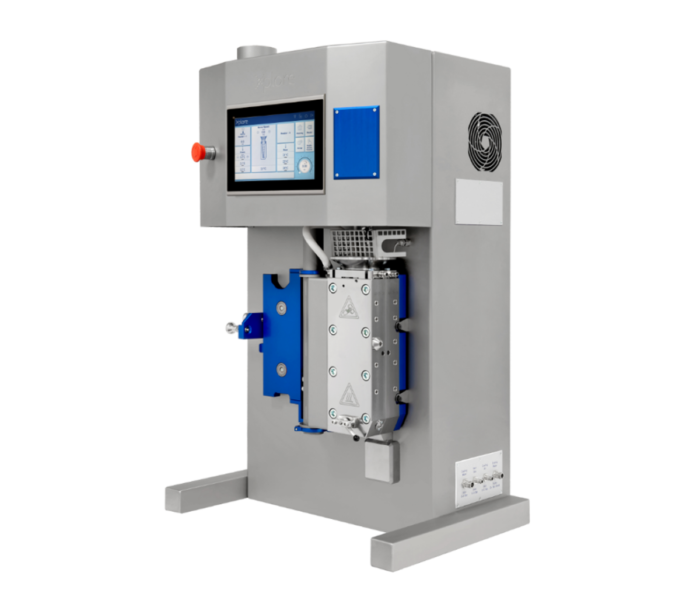
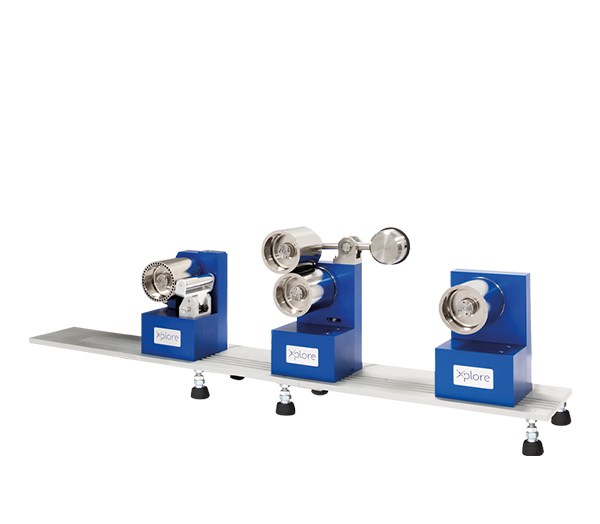
Extrusion technology is a pivotal process in developing nutritional products, including alternative proteins, human food, and animal feed. Extruders transform raw materials into structured, digestible, and nutrient-rich products while enhancing texture, nutritional value, and scalability by utilizing high-temperature, short-time processing. A key application is vegetable protein texturization, where extrusion modifies plant-based proteins such as soy, pea, and wheat gluten to create fibrous structures that mimic the texture of meat. This process is essential for developing high-quality meat analogs that meet consumer expectations for taste and mouthfeel. In food and feed production, extrusion also enables the formulation of cereals, snacks, pet food, and livestock feed with improved digestibility and nutrient uniformity. Xplore micro-compounders play a crucial role in early-stage formulation development by allowing precise testing with minimal material usage. These small-scale extruders help optimize ingredient combinations, refine protein structuring, and incorporate bioactive ingredients such as vitamins and probiotics before scaling up to larger production systems. Their versatility and efficiency make extrusion and micro-compounding essential tools for accelerating innovation in sustainable food and feed development.

Support
Xplore provides exceptional support for the nutrition market, offering comprehensive resources like whitepapers, technical documents, FAQs, and expert guidance to optimize machine performance and streamline R&D processes.
Technical notes Specification sheets FAQ ContactBe inspired

How Can You Process PVC Successfully on an Xplore Micro-Compounder?
Learn how controlled PVC micro-compounding helps researchers manage thermal degradation, optimize formulations, and develop PVC compounds at laboratory scale.
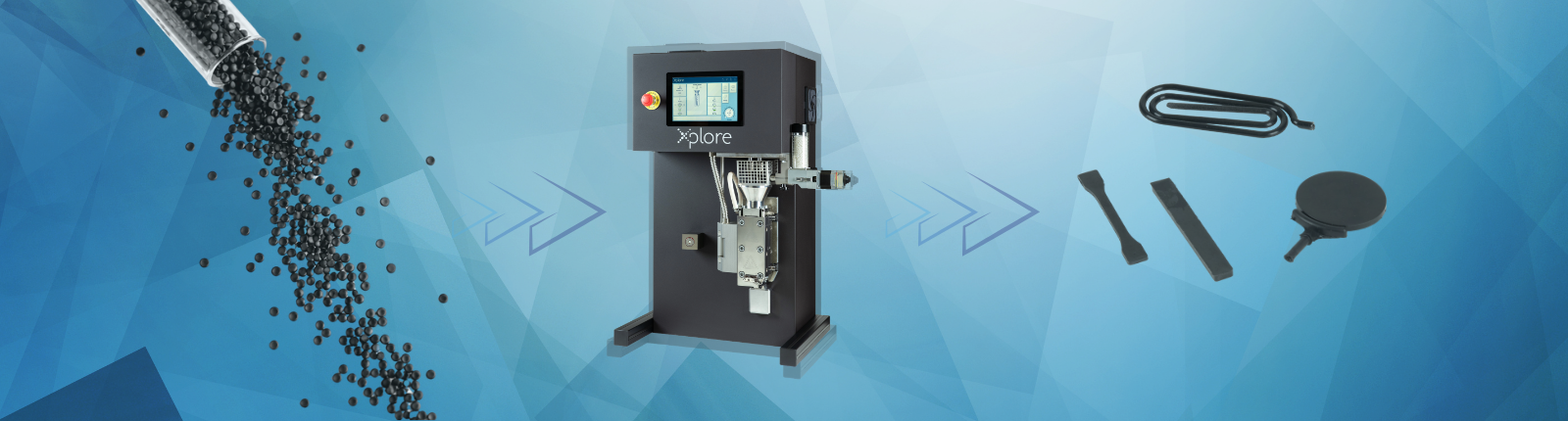
Building an Efficient Polymer Compound Development Workflow
Discover how an efficient polymer compound development workflow can help researchers move from formulation screening to sample production, testing, and scale-up while reducing material use and development time.
Degradation in polymer processing
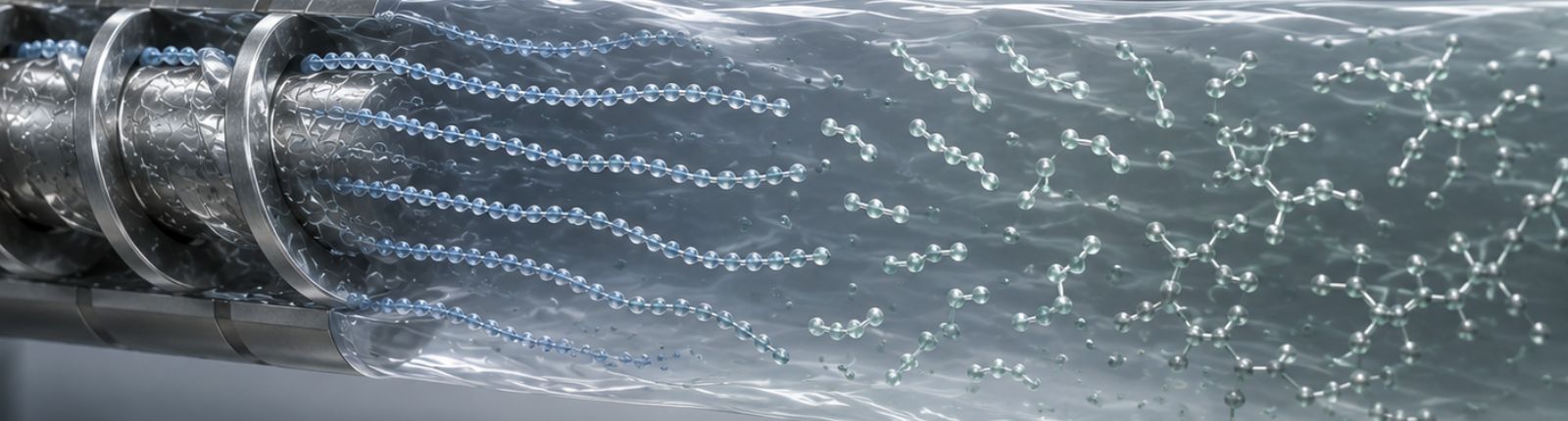
Polymer degradation during processing can affect viscosity, molecular weight, colour, and performance. Explore its key mechanisms and how controlled micro-compounding helps study and minimise its effects.