Fibre Development Solution
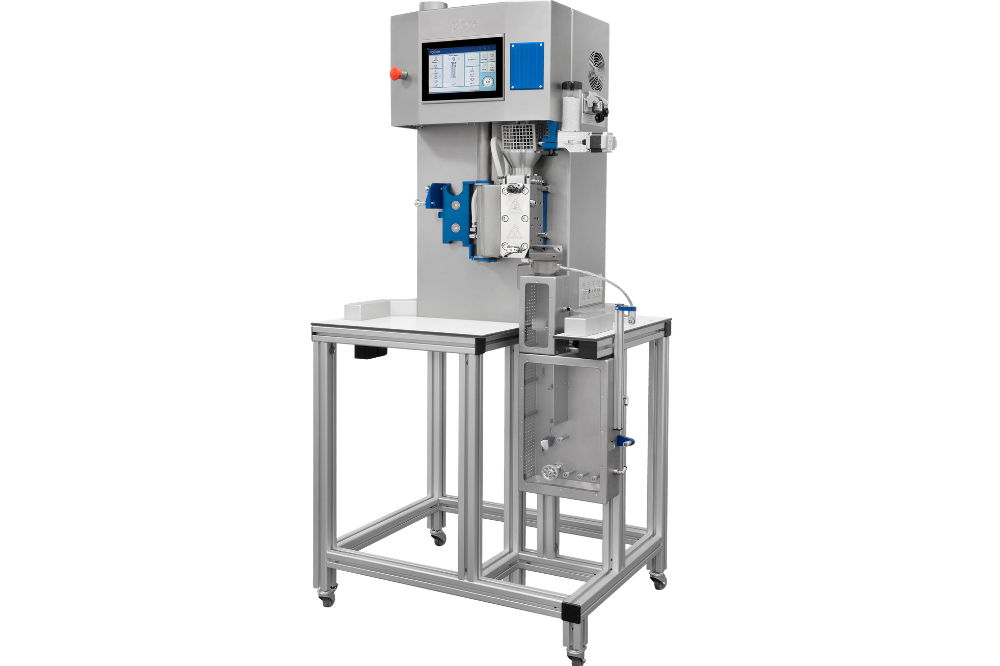
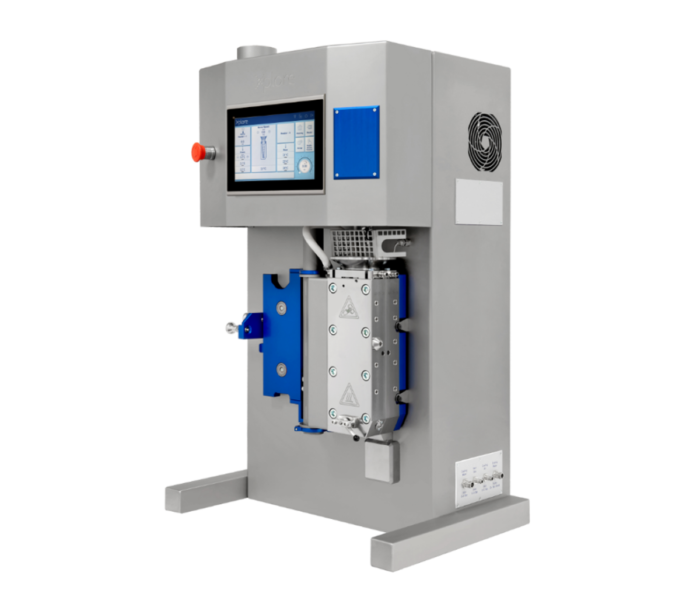
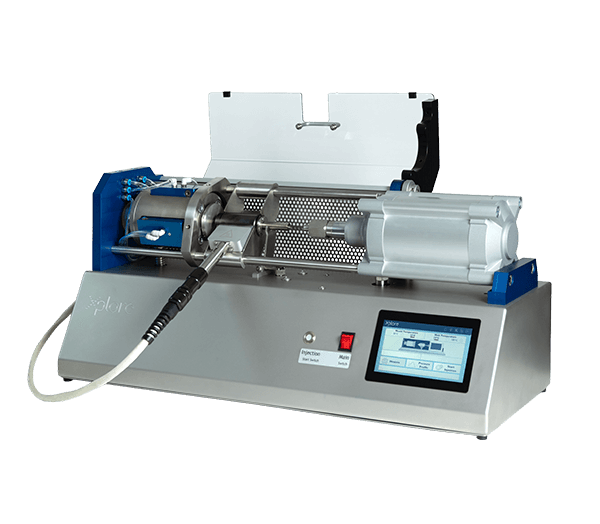
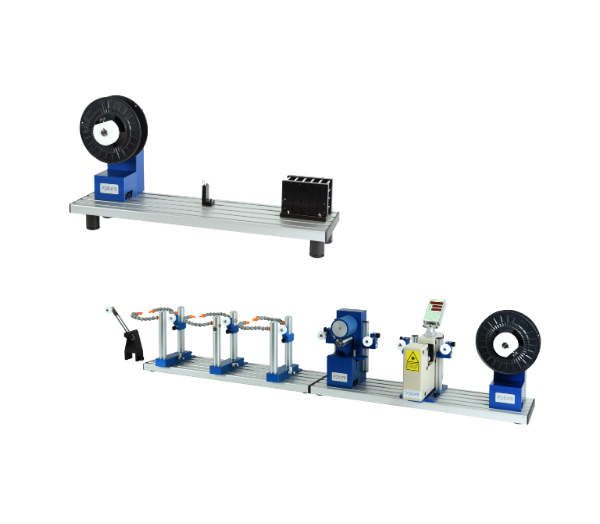
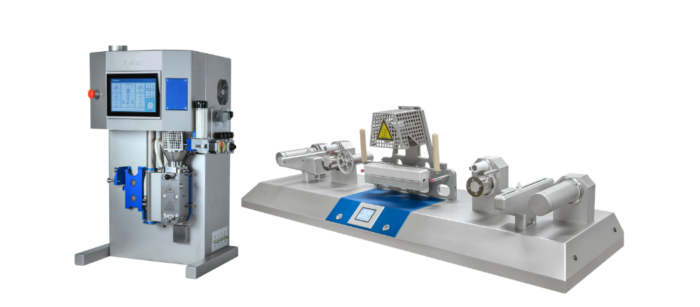
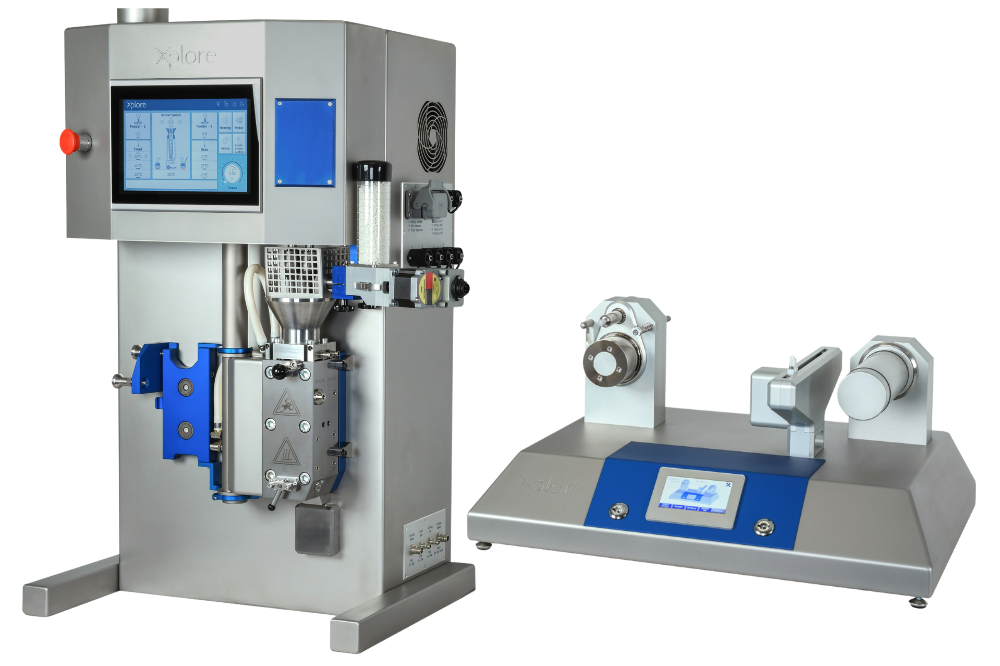
The Xplore Fibre Spinning & Conditioning Platform brings laboratory-scale fibre spinning, winding and conditioning together in a flexible workflow. Combine spinning dies with an Xplore micro-compounder and winding unit to develop melt-spun fibres, or use the conditioning unit independently with existing fibres.
Spinning Choices
- Monofilament Spinning: An interchangeable die, available in different diameters, forms a single filament from the polymer melt.
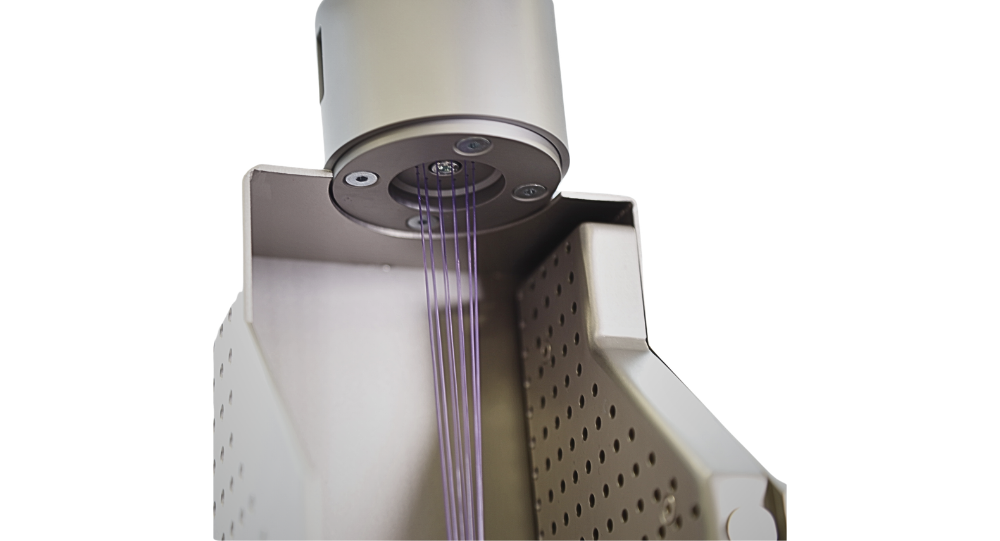
- Multifilament Spinning: A multifilament die forms multiple filaments, while a quench box with an inert gas connection provides adjustable cooling. The setup includes a wetting unit and a pigtail guide as standard.
Winding Unit
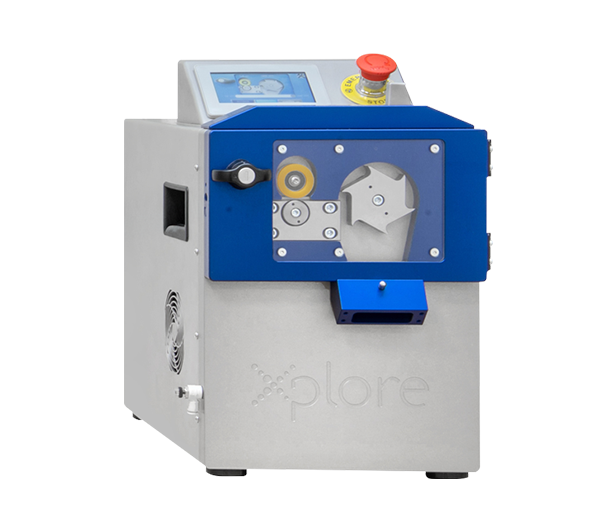
The stand-alone winding unit collects fibres directly from an Xplore micro-compounder. An integrated touchscreen controls the entire process, and an optional inline laser micrometer provides real-time diameter measurement.
Conditioning Unit
The stand-alone conditioning unit supports both hot and cold fibre drawing. Individually speed-controlled godets set the draw ratio, with drawing performed under heat via hot-shoe or hot-pin heaters. Repeated drawing passes in alternating directions allow multi-stage drawing studies that mimic industrial drawing sequences.
Capabilities
- Formulation Screening: Evaluate polymer blends, additives and fillers using small material quantities.
- Spinnability Assessment: Investigate how formulations and spinning conditions affect fibre formation.
- Sample Preparation: Produce fibre samples for characterisation and performance evaluation.
- Drawing Evaluation: Compare drawing ratios, temperatures and speeds using material from the same as-spun spool.
Key Features
- Controlled Melt Delivery: Xplore micro-compounders feed the spinning die directly, eliminating the need for a separate spinning pump.
- Adjustable Take-Up: Controlled take-up speed regulates fibre collection during spinning.
- Controlled Spooling: Torque-controlled winding and a programmable traverse guide manage spool build.
- Programmable Start-Up: A slow start-up sequence helps prevent fibre breakage.
- Optional Drawing Measurements: Fibre tension and single-fibre slip measurement provide additional monitoring on the conditioning unit.
Research Areas
- Polymer & Additive Development: Fibre formulations containing blends, pigments, nucleants, processing aids and functional additives.
- Sustainable Fibre Materials: Recycled, bio-based and biodegradable polymers for fibre development.
- Functional & Reinforced Fibres: Conductive, flame-retardant, antimicrobial and reinforced formulations, including nanocomposites.
- Structure–Property Relationships: Links between spinning and drawing conditions, orientation, crystallinity and mechanical performance.
Applications
- Textile & Technical Fibres: Fibres for textile and technical uses.
- Recycled & Bio-Based Fibres: Fibre materials based on recycled polymers, PLA, PBS, PHA and their blends.
- Functional Fibres: Flame-retardant, antimicrobial, conductive and UV-stable fibres, including formulations containing CNTs or graphene.
- Medical & Speciality Monofilaments: Resorbable and elastomeric monofilaments, with PCL and TPU as material examples.
- Reinforced Fibres & Precursors: Reinforced polymer fibres and fibre precursors for further processing.
- –
- –